

 the bathroom, and I said it was saying "donde esta el bano?!"
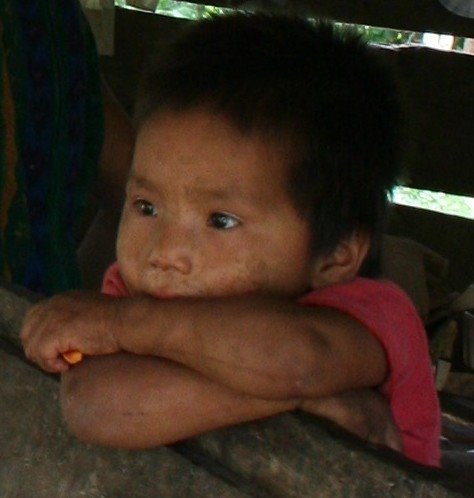
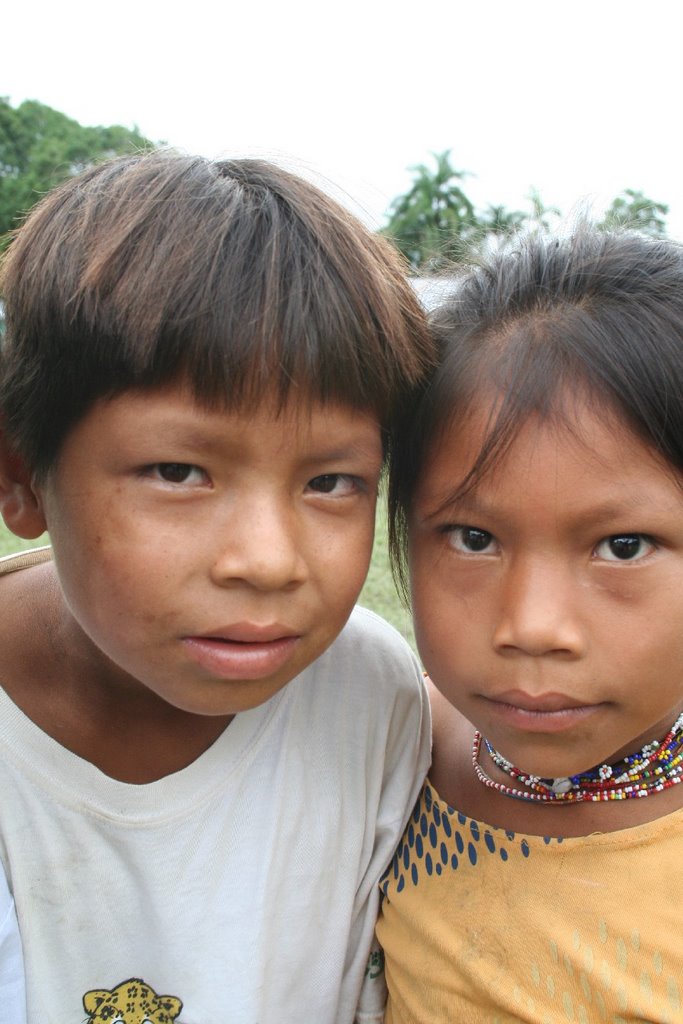
* I just loved the Yine children. I tried to show them how to do headstands at their recess, but I think they were a bit stunned at that one... I took loads of photos of them, they are so precious. I let Ludwig take some photos of his own and he did a fine job! Daline told me there is a documentary about how an organization put cameras in the hands of children in 3rd world nations. I think that would be wonderful.
* Marianne's laugh, joie de vivre, and humble attitudes toward everything are inspiring. In discussing situations that could easily seem extremely personally frustrating, in every case she had a positive way to look at it. She could always see the good that would ultimately come out of the situation, and in a very unselfish way. Even in situations when it would not help her business in any way, she was far more interested in the actual well-being and interests of the Yine - things that would ultimately benefit the Yine in terms of learning about situations or becoming more savvy about the way the Peruvian government works.
* Stringing sara sara seeds into a necklace with Chiky and Rene and Daline on one of the last nights there, drinking beer and wine and trying to communicate in Spanish (I am a very poor speaker of Spanish! Though I am learning!). I had a great time that night.

* Hanging out at the hot springs - it was such a beautiful spot, and we painted ourselves in mud.
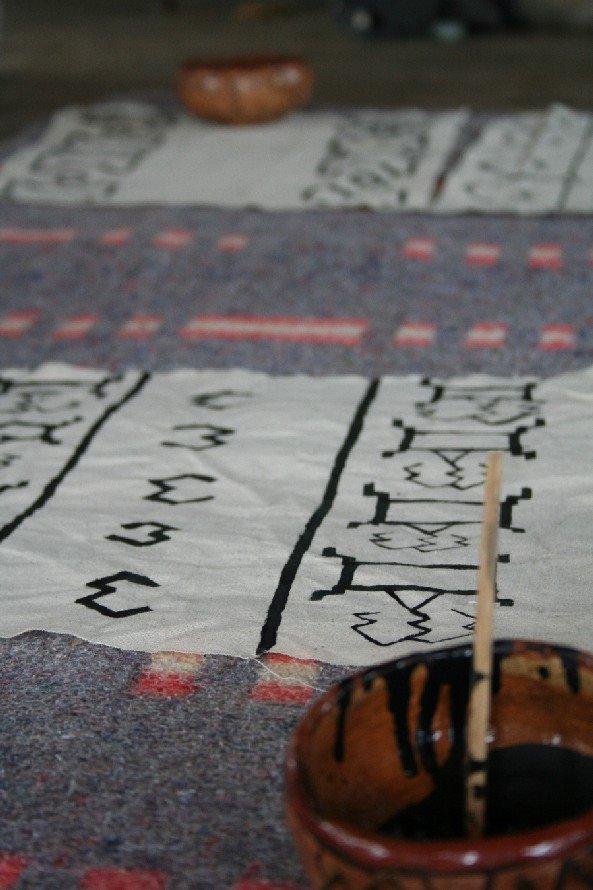
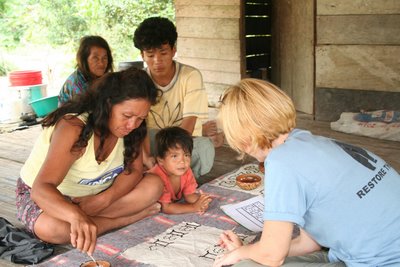
* Painting warrior images on cloth with Berta in the Yine village of Diamante, and then having her paint warriors on my arm with huito, a rainforest fruit.
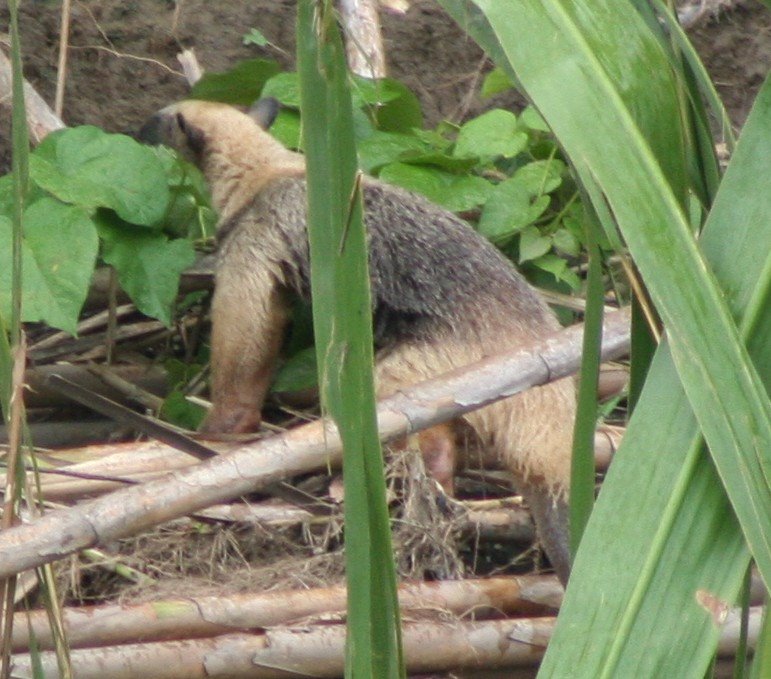
* Seeing the tamandua (anteater) swim across the Alto Madre de Dios river and then emerge at the other side.
* Singing Hullaballoo Kaneck Kaneck, the fighting Texas Aggie song, with Daline as we paddled up the river in the hollowed-out-log canoe.
* Teasing our rainforest guide Tina about her British accent (which I love) - particularly when she says "herbal tea" or "scarlet macaws" or "purplish jays."
* One
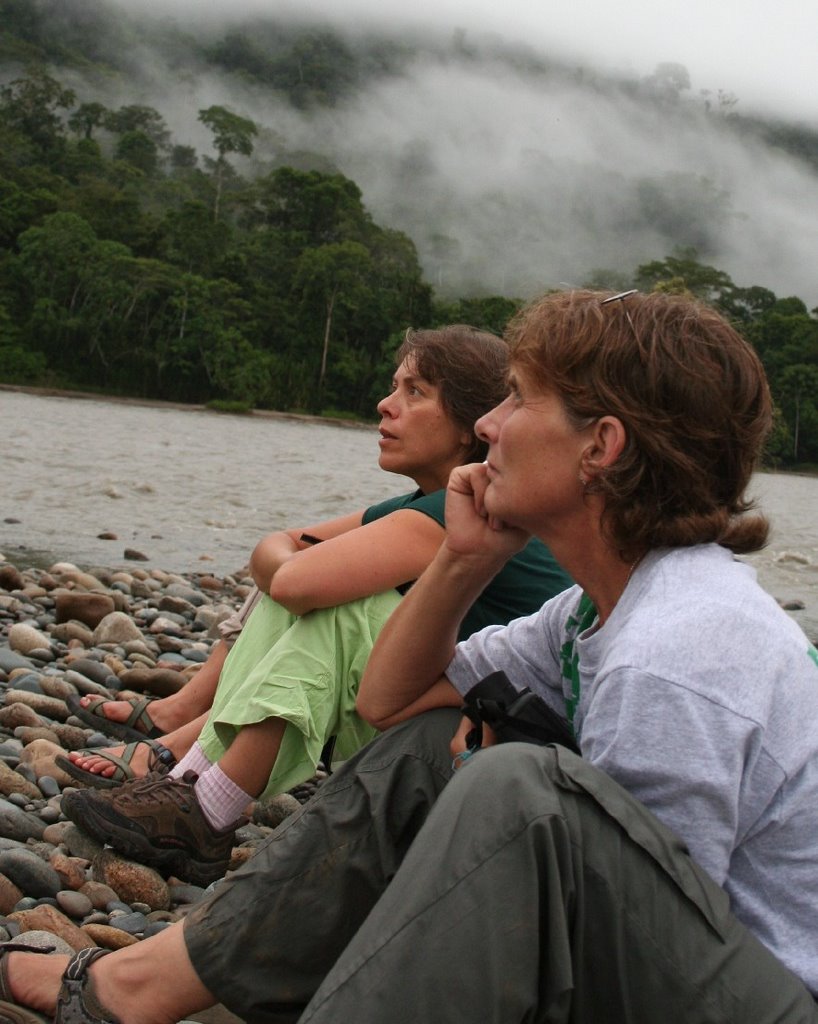
 of the things I enjoy about traveling is doing the photography itself; catching a spontaneous look in someone's glance, or a smile, or a moment. Shooting the sky and river in their glorious cloud formations, and trying to catch the mood of the moment through an image. I try to shoot at different angles sometimes, from high or low. I try to catch a person's personality through the candid image I shoot of them. And so one of my highlights was just this process of watching people and catching moments of people and also the scenery on camera.
On a separate note, a writer colleague sent me a link to this article in the Miami Herald about single mom rainforest biologist Margaret Lowman, and I enjoyed it. She has a book out about her adventures with her two kids which included trips to Peru among other places. http://www.miami.com/mld/miamiherald/living/


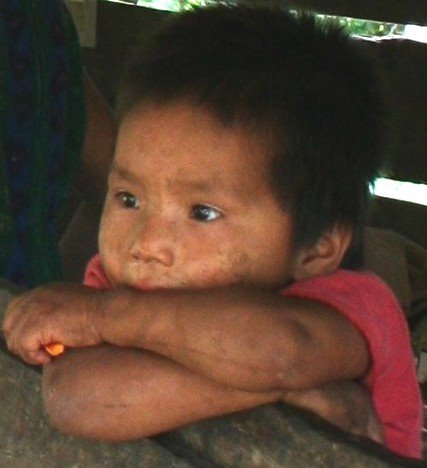
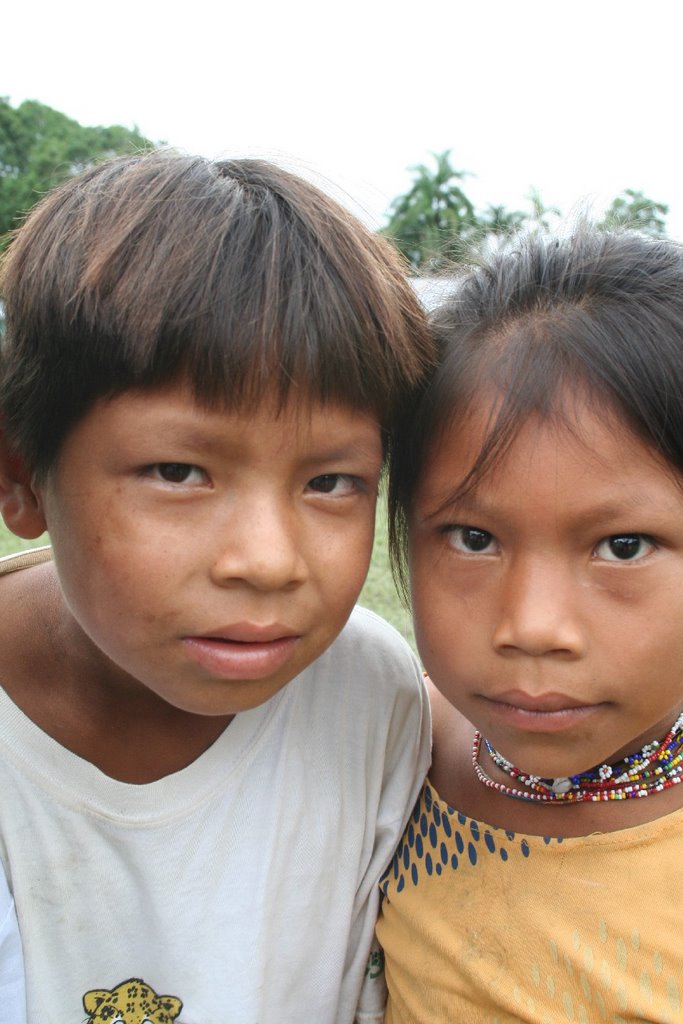
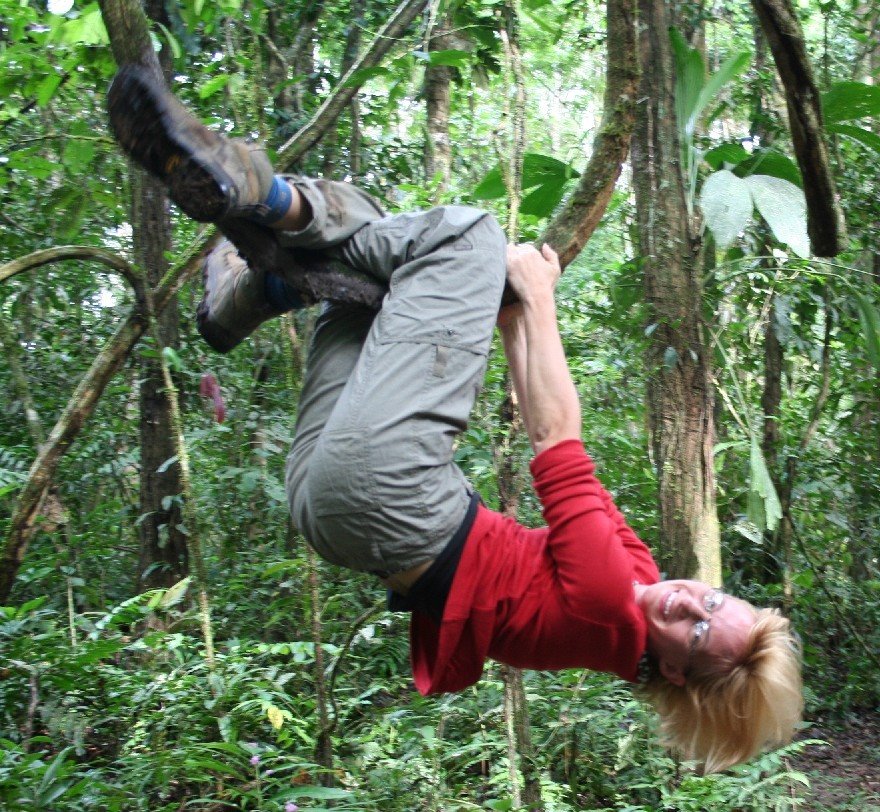
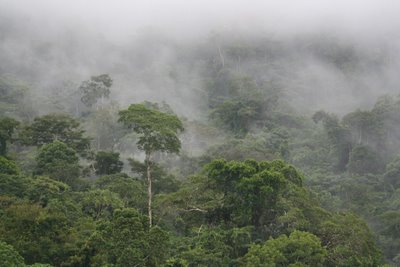 The Amazon jungle warrior woman has returned... just got in today, and will post more photos tomorrow. I got several great shots and had an amazing adventure! Hanging from vines, mud fights in the hot springs, swimming - and paddling - down the Alto Madre de Dios River in the Amazon basin, wildlife (monkeys, macaws, tamandua, many birds and insects and even a bushmaster - a very venomous snake), almost getting kidnapped by a cab driver in Lima, and being 'mosquito candy'.... but my heart was taken by the beautiful Yine Indian children who had such open and kind spirits.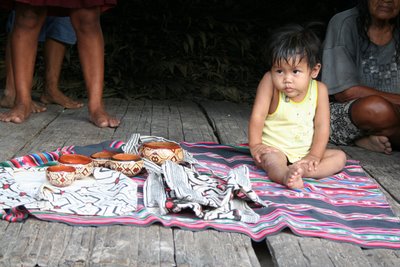

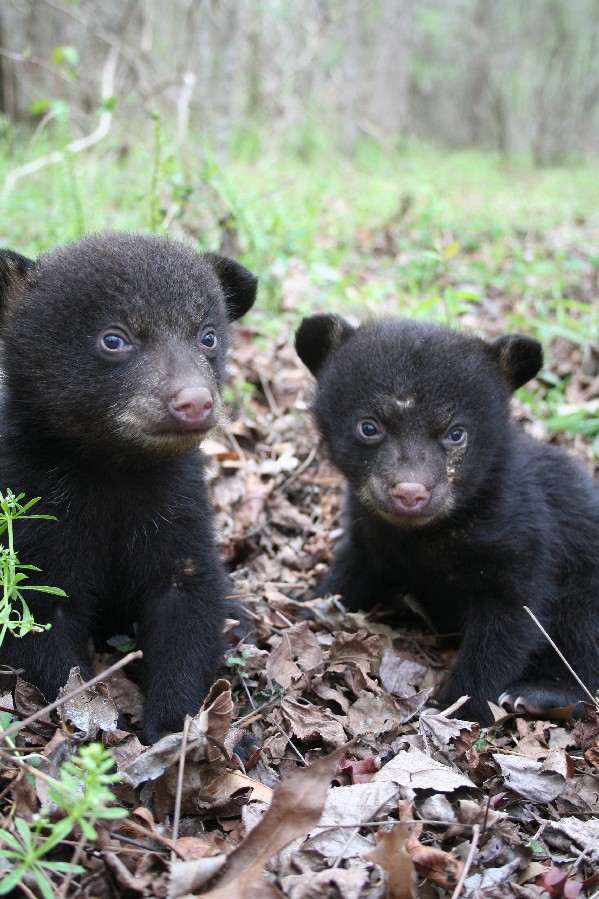
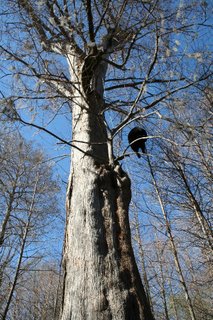 Biologists remove wintering females with cubs from their dens in the tops of hollowed-out ancient cypress trees (the whole tree is not hollow - just the den near the top). A climber will ascend the tree, anesthetize the mama, and use ropes to haul her down the tree and into a boat if the tree is in a slough, or into an ATV if on dry land. Because it is a warm winter, some of these bears are already active. The photo doesn't do justice to the size of the cypress tree!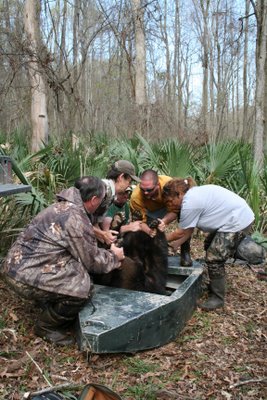
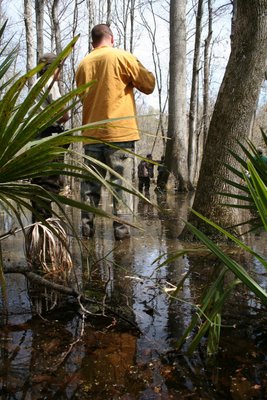 It can take a long time to get the ropes in the right place on the tree, climb, anesthetize the bear, wait until she's gone to sleep, and haul her down. Hence the project involves a lot of waiting and standing around!
 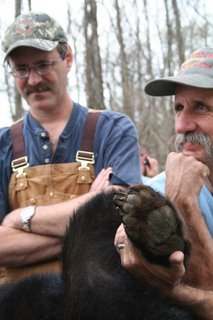 Dr. Joe Clark from USGS/University of Tennessee, and Paul Davidson, Executive Director of the Black Bear Conservation Coalition holding the paw of an adult black bear female.
 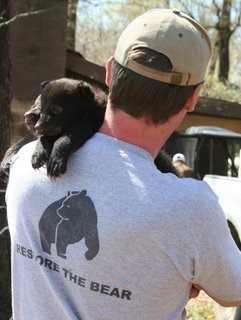 Dave Telesco, BBCC Private Lands biologist, holding two cubs.
 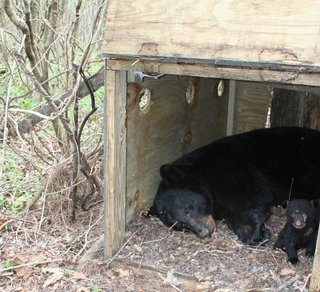 The final step - mama in her new den box with her cubs, before closing the lid until she emerges permanently within a few weeks.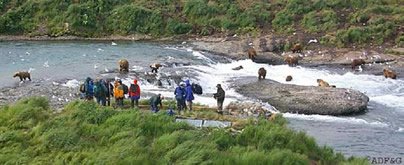
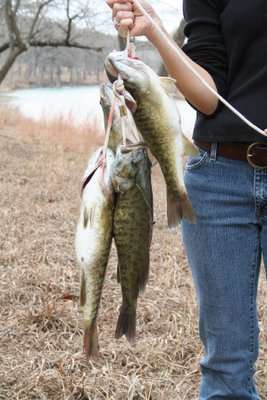 The stringer of smallmouth bass we caught on the Blanco River Wednesday - myself and a bunch of biologists and grad students. Mind you, I caught the biggest one! :)
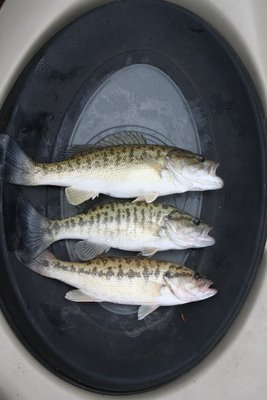 Three bass that look like Guadalupe bass - whiter in coloration than smallmouths, which were introduced into the river drainages. However research indicates most "apparent" Guadalupe bass in the Blanco have hybridized with smallmouths.
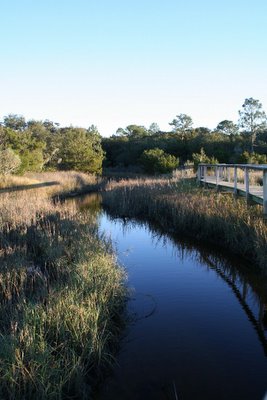 A wetland on the Amelia Island Plantation in Florida.
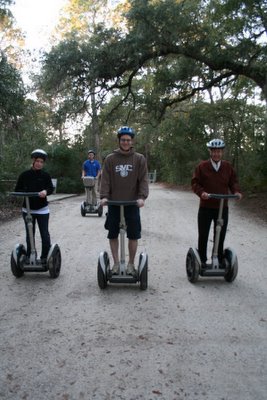 Some writers on a Segway Safari. They are soooo cool!!! Lots of fun! Soon you'll be popping wheelies! (ha ha, JUST kidding!)
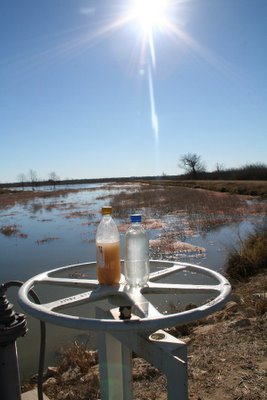 I was out in the field with biologists and water planners on a really cool wetlands water filtration project at Richland Creek Wildlife Management Area on Monday. Check out the photo of the before and after water. The water on the left is what it looks like coming out of the Trinity River, which comes downstream from the Dallas/Ft Worth area. The water on the right is after going through several wetland cells and several days in the wetland. Pretty cool aye?